performance marketing vs organic marketing
Performance Marketing vs Organic Marketing: Which One Should You Choose?
If you’re a business owner or marketer, you’ve probably asked this question:
Should I invest in performance marketing or focus on organic marketing?
Both approaches work.
Both have strengths.
But choosing the wrong one, or relying on only one, can slow your growth.
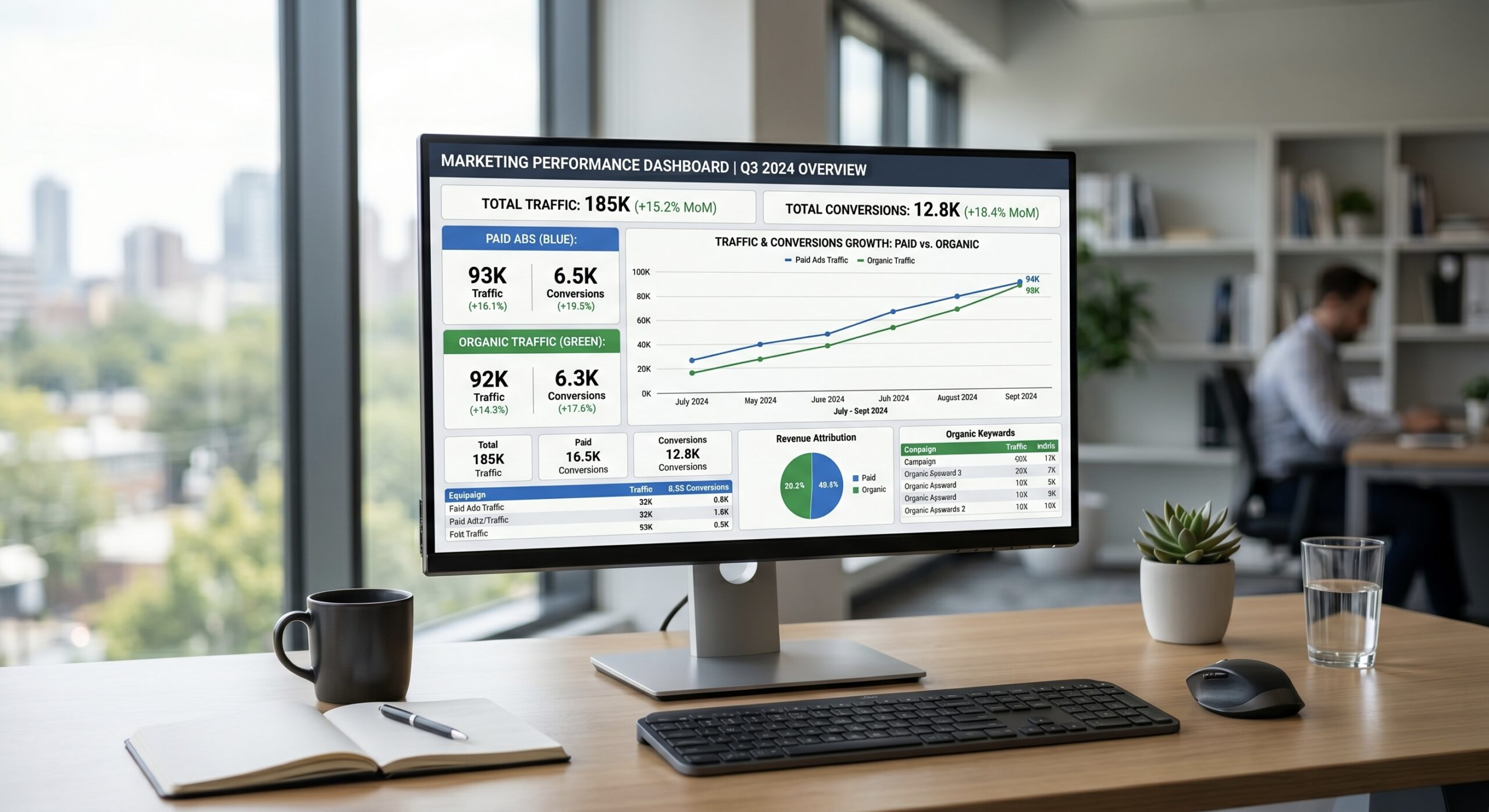
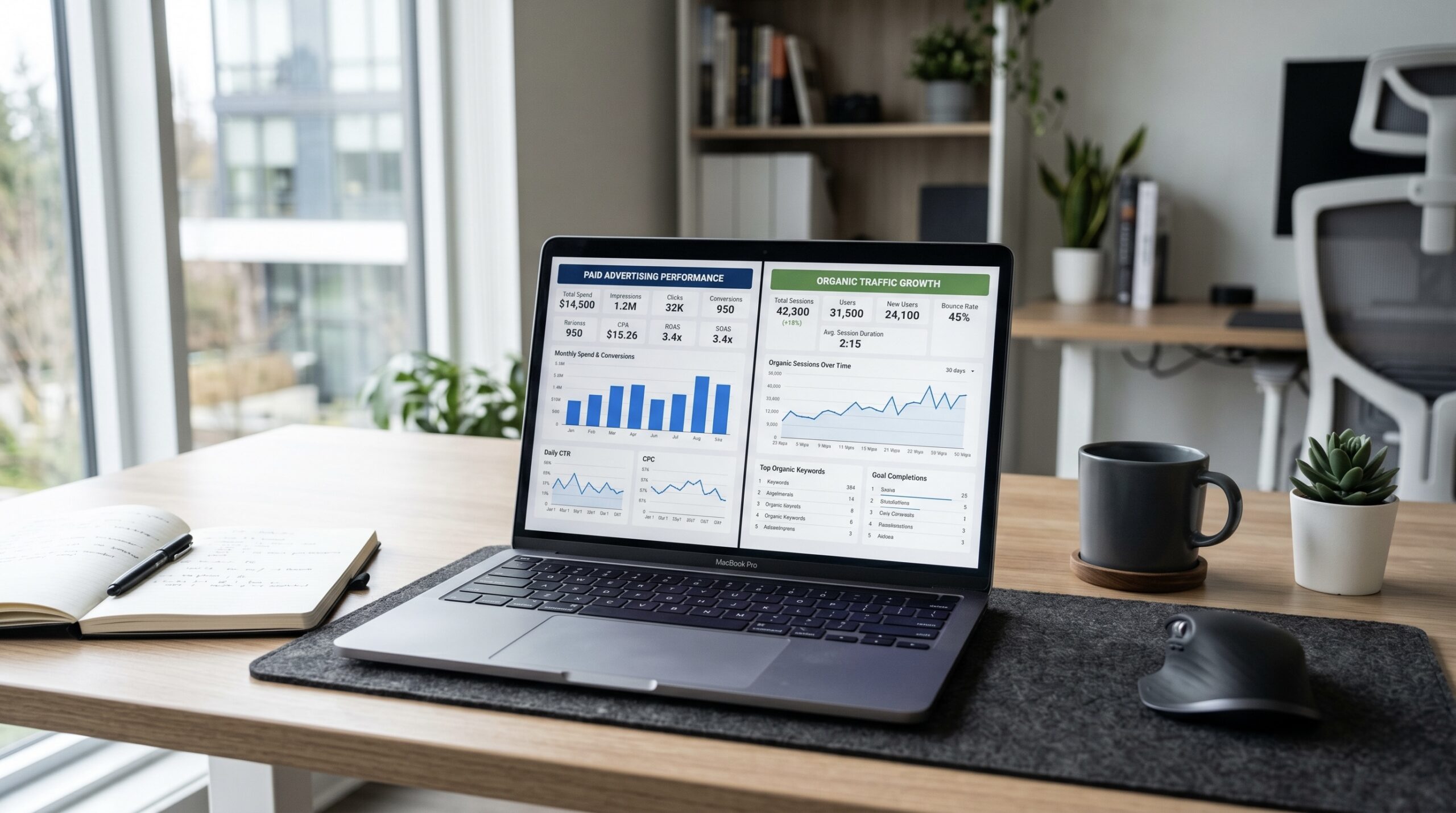
This guide breaks down performance marketing vs organic marketing in simple terms, explains how each works, and helps you decide which one is right for your business.
What Is Performance Marketing? (Simple Explanation)
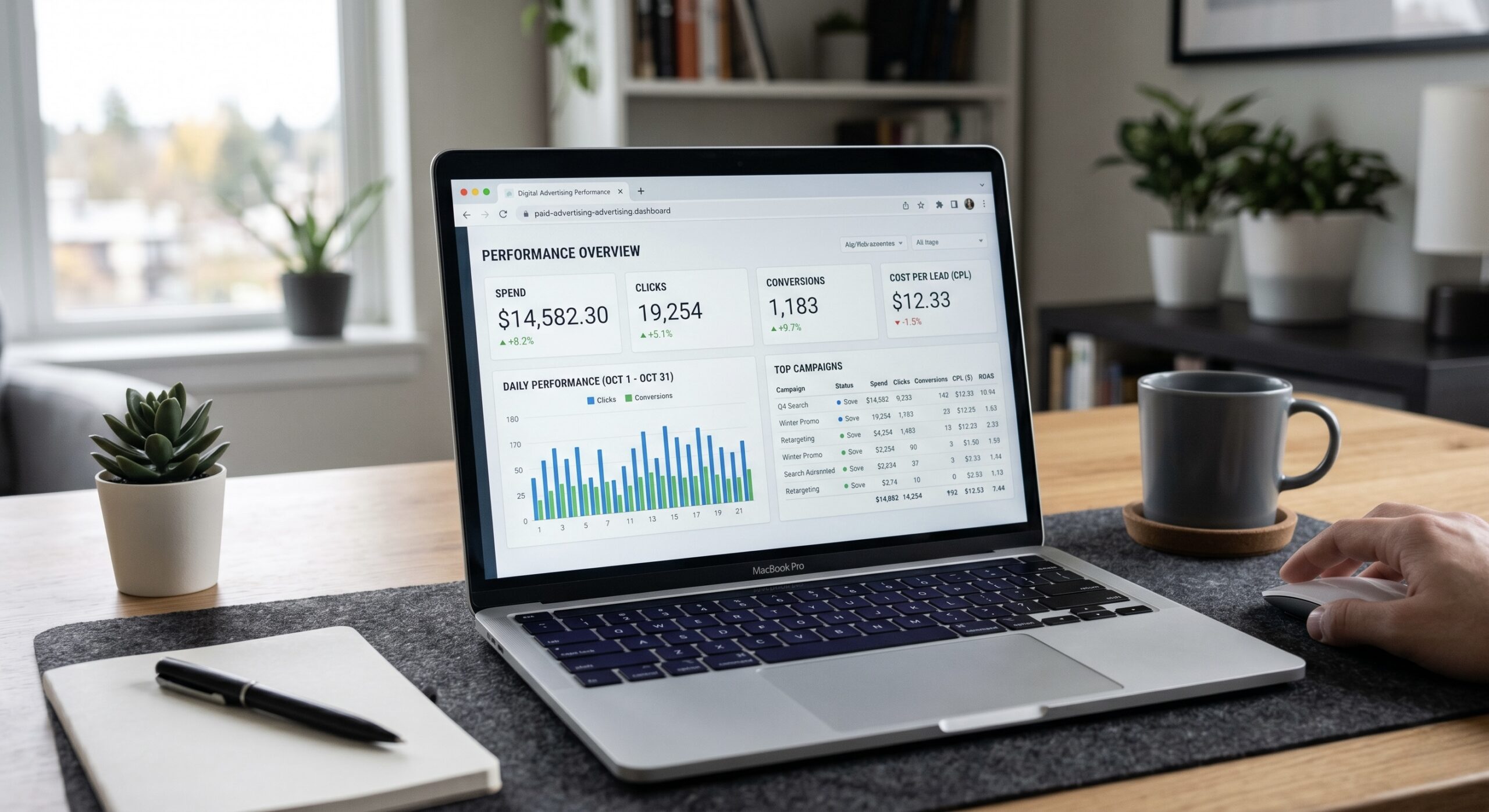
Performance marketing is a paid marketing approach where you pay for specific results, such as:
1) Clicks
2) Leads
3) Conversions
4) Sales
Common performance marketing channels include:
1) Google Ads
2) Instagram & Facebook Ads
3) LinkedIn Ads
4) YouTube Ads
You spend money, and you expect measurable outcomes.
Key Feature:
If results stop, traffic stops.
What Is Organic Marketing? (Simple Explanation)
Organic marketing focuses on non-paid growth through:
1) SEO
2) Blogs
3) Social media content
4) Email nurturing
5) Community building
It takes time but builds long-term visibility and trust.
Key Feature:
Traffic continues even when you stop posting or spending.
Core Difference Between Performance & Organic Marketing
Aspect | Performance Marketing | Organic Marketing |
Cost | Pay for every result | No cost per click |
Speed | Fast results | Slow but steady |
Sustainability | Stops when ads stop | Long-term growth |
Trust | Lower initially | Higher over time |
Scalability | Quick to scale | Takes time |
Understanding this difference is key before choosing a strategy.
Pros & Cons of Performance Marketing
Pros
1) Instant traffic and leads
2) Easy to track ROI
3) Good for launches and offers
4) Fast testing of ideas
Cons
1) Expensive over time
2) Traffic stops when ads stop
3) Requires constant optimization
4) Competitive industries drive up costs
Best for:
New businesses, quick leads, short-term goals.
Pros & Cons of Organic Marketing
Pros
1) Builds trust and authority
2) Long-term traffic
3) Lower cost over time
4) Strong brand presence
Cons
1) Takes time (3–6 months)
2) Needs consistency
3) Slower initial results
Best for:
Brands focused on sustainability and credibility.
Which One Should You Choose? (Honest Answer)
The real answer is:
It depends on your business stage and goals.
Choose Performance Marketing If:
1) You need leads quickly
2) You are launching a product
3) You want immediate visibility
4) You have a clear funnel
Choose Organic Marketing If:
1) You want long-term growth
2) You want to build trust
3) You want stable traffic
4) You want to reduce ad dependency
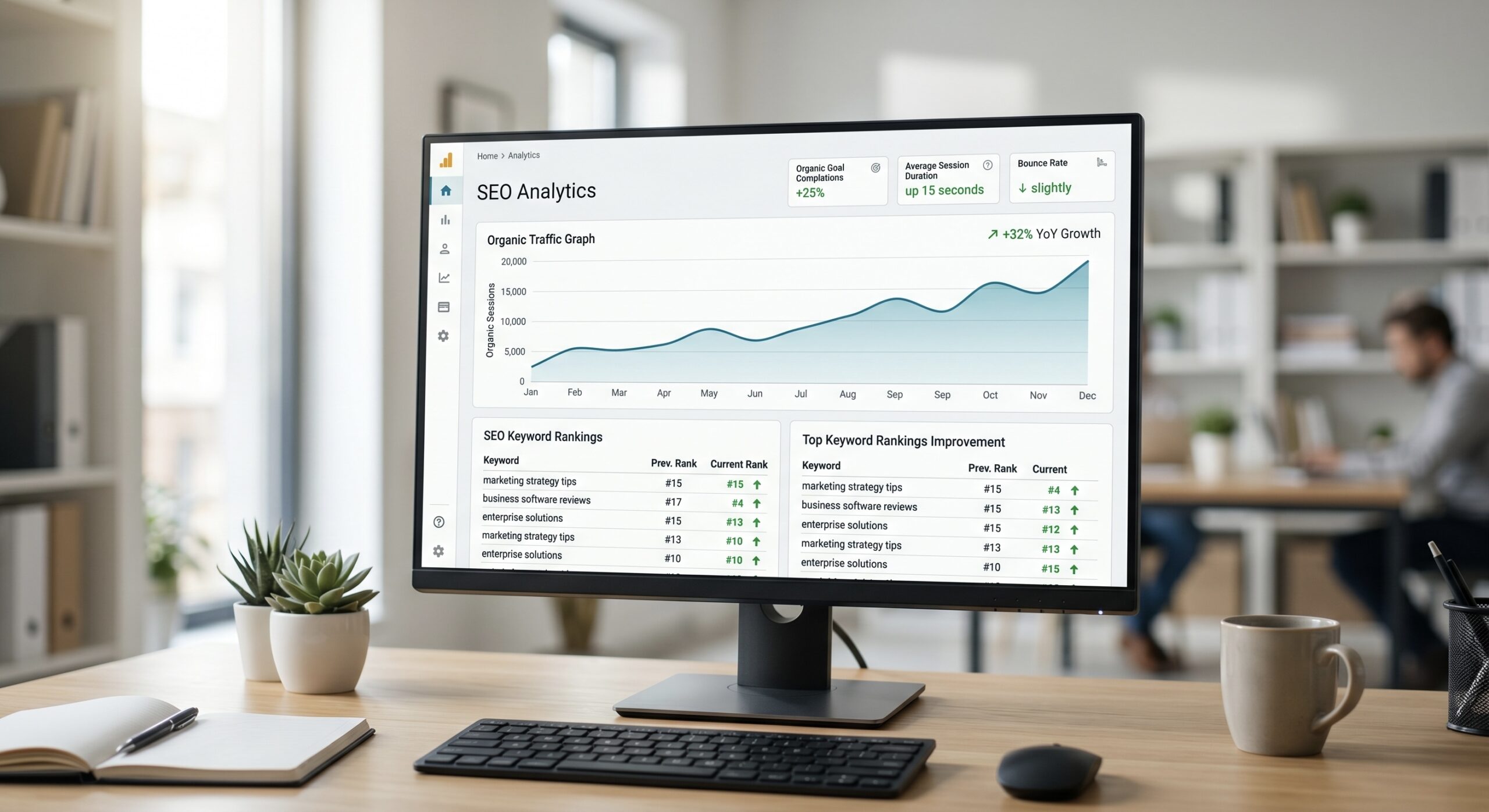
The Smartest Strategy in 2026: Combine Both
The fastest-growing brands don’t choose one.
They combine performance marketing and organic marketing.
How it works:
1) Use paid ads for quick leads
2) Use organic marketing to build trust
3) Let SEO reduce ad costs over time
4) Scale what works
This creates speed + stability.
Common Mistakes Businesses Make
Avoid these:
1) Relying only on ads
Ignoring SEO
2) Expecting instant organic results
3) Not tracking performance
4) Choosing strategy based on trends
Marketing works best when aligned with business reality, not hype.
How Sociohigh Helps You Choose the Right Strategy
At Sociohigh, we don’t push one approach.
We:
1) Analyse your business stage
2) Understand your goals
3) Evaluate budget and timelines
4) Build a hybrid strategy
5) Track performance continuously
That’s how marketing becomes predictable.
Final Thought
Performance marketing brings speed.
Organic marketing builds trust.
In 2026, businesses that win don’t choose one, they use both smartly.